Simple Stress Management Techniques That Work

Living in the present day seems like a balancing process. Meetings, money and household obligations, and the never-ending digital distractions can easily drive up the stress levels beyond what they are supposed to be. Although some stress levels are normal and even inspiring, excessive stress levels impact health, relationships, and general happiness. The positive thing is that stress can be handled through practical methods that can be incorporated in day to day life.
Why Stress is Important to Health and Day-to-Day Life.
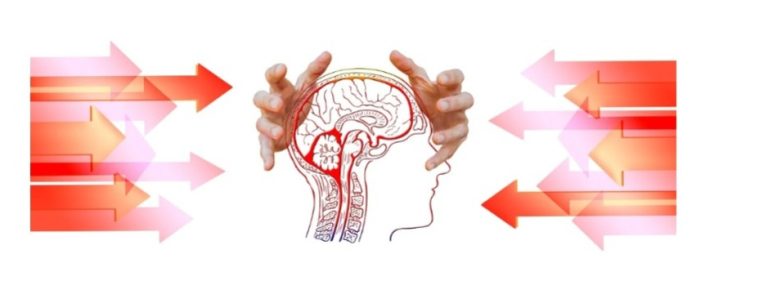
Stress is not a simple state of mind. The hormones such as cortisol and adrenaline are emitted in the body when you are stressed. These hormones make your body ready to react fast, and this comes in handy during an emergency situation, but not during a situation that happens each time.
Stress will always adversely affect the immune system, raise blood pressure, cause sleep disturbances, and cause digestive discomfort. It is also capable of aggravating mental health since it develops anxiety and depression. The stress in everyday life can decrease the degree of concentration, make it difficult to decide, and destroy relationships.
The first thing that you would do in the process of managing stress is to become aware of its influence on your body and mind.
Signs You Need Stress Relief
When stress is taking its toll, it is not necessarily easy to notice. Most individuals tolerate stress and fatigue as part of life, but there are usually signs to be noticed by your body. Some common signs include:
•Several headaches or tightness of the muscles, particularly the neck and shoulders.
• Difficulty sleeping or getting up sleepy.
• impatience, mood swings, or irritability.
• Inability to concentrate or recall things.
• Overeating or undereating or using caffeine and sugar as a source of energy.
• Fear or panic most frequently.
When you identify some of these symptoms, then it could be time to take stress relief more seriously.
Quick Techniques to Calm Stress

The stress can come unexpectedly, so it is better to have some tools that may be employed on a short-term basis. These fast methods are able to relax your mind and body within a few minutes.
1. Deep Breathing
Slow, even breaths are useful in stimulating relaxation in the body. Attempt four counts of breathing deeply in with your nose and holding, and then 6 counts of exhaling through your mouth. Repeat for a few minutes. The given basic exercise decreases the heart rate and decreases tension almost immediately.
2. Journaling
Seeing your ideas on paper is a strong means of decongesting the mind. You do not have to compose a lengthy essay. Even taking notes of what is troublesome or writing a little gratitude list will help ease your mood and be a source of clarity.
3. Walking
Even a ten-minute brisk walk may be de-stressing. Through walking, you not only get to exercise your body, but also your brain gets the opportunity to revitalize. When you can go outside in nature, and has an extra calming effect.
4. Progressive Muscle Relaxation.
It is done by flexing the muscle groups, then gradually contracting the muscle back, beginning with your toes and then all the way to your head. It is more useful in particular when stress is manifested as physical tension.

5. Listening to Music
Smooth music will alter your mood in a few minutes. Always have a list of soothing music or sounds that you can hear when you are becoming stressed.
Long-term Stress Management.
It works wonders in the short term; nevertheless, it might be necessary to build long-term stress relief with the help of regular practices. These practices reduce stress since they ensure that the mind and body become stronger as time goes by.
Yoga
Yoga is moving with their muscles, breathing in a synchronized way and concentration. The common practice enhances flexibility, decreases the muscular tension and assists to control stress hormones. One should take a short session per day.
Meditation
Meditation is the art of focusing the mind and being easy. Guided meditations can be used by new people, and they can also use apps, which will teach them to undergo some sessions in a brief time. One to five minutes per day can serve to improve concentration, reduce anxiety, and introduce a greater sense of balance.
Exercise
Exercise is another appropriate means of relieving stress. It decreases the amount of cortisol and increases endorphins, the natural mood elevators of the body. It is not necessary that you have to participate in marathons; swimming, cycling, dancing, or even gardening are considered exercise.
Mindfulness
Mindfulness involves being in the present and not being judgmental. It’s best practice is as part of your daily routine, such as taking your time at eating or sitting and concentrating on your breath, which will interrupt the loop of obsessing about the past or the future.
Lifestyle Changes to Reduce Stress
On top of the techniques, there are some lifestyle changes that can reduce the level of stress in your life and help make everything a bit more manageable.
1. Prioritize Sleep
Sleeplessness increases the difficulty of dealing with stress. Get seven to nine hours of healthy sleep. Establish a bedtime schedule, make your room dark and cool, and limit distractions to screens before bed.
2. Eat a Balanced Diet
People are not informed of how mood is dependent on food. The diet of high-whole-grain, low-fat protein, vegetables, and healthy fats maintains a balanced energy level and lessens the stress present. The stress will also not worsen with avoiding sudden energy crashes caused by extreme use of caffeine, alcohol, and sugar.
3. Stay Organized
The overwhelming feelings may be accompanied by clutter and inorganization. Getting to the task: A to-do list is included with some reminders of the tasks that you can remember easily that occur, and clearing your workspace might be able to help limit redundant stress.
4. Build Strong Relationships
When time is spent with supportive friends or family members, it helps decrease stress. Discussing issues with a person you can confide in or enjoying jokes together can release the emotional heavy load.
5. Limit Over-commitment
A lot of individuals are stressed due to the fact that they say yes to excessive duties. Training to say no in a polite manner and setting boundaries can save your time and energy.
6. Disconnect Regularly
The brain may be overstimulated by constant messages and scrolling on the Internet. Breaks off screens and social media in particular allow your mind space to breathe.
7. Practice Gratitude
One can make a habit of dealing with positive things daily, and the focus would change to stress. This may be as easy as jotting down three nice things before sleep.
Conclusion: Small Habits, Big Relief
Stress is something in life, and it is not always necessary to deal with it. You will be in a better position to form a healthier response to the challenges by being able to spot the signs at the earliest opportunity, and with the assistance of the long-term and short-term practices. Simple exercises like a deep breath, journaling, or even a walk might be calming in the short term; however, when examined through a long-term lens, yoga, meditation, and exercise practices might be able to build resilience.
Lifestyle changes are also present, and they are proper sleep, proper eating, and limits. These little steps can make a great contribution to health, energy, and peace of mind when joined together. Stress can never be eliminated, yet you can manage it with appropriate tools and be calm and confident.